Human brain nuroscience and cognitive system
The Human Brain is the most Complex Processerof Information on the Planet. Our ability to Process Information and Store Information, (PC), is what makes us Human. Information Defines us, Information Controls us, Information Teachesus. Know your Processor, understand the Software(Mind), and understand the Hardware (Body). PDF.
Brain and Computer Similarities


Brain Research - Plasticity - Brain Maintenance- Brain Injury - Neuroscience - Imaging
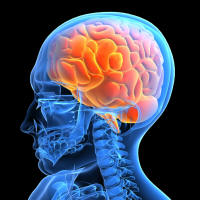
Learning about the inner workings of your brain will help you understand your abilitiesand yourvulnerabilities. Especially knowing that thePrefrontal Cortex, which controls focus, planning, and efficient action, takes almost 20 years to mature. A baby’s brain cerebral cortex expands by 88 percent in the first year of life. Its cells are also reorganizing themselves and rapidly forming newconnections to one another. The brain is Complex but not impossible to understand.
Mind is a set of Cognitive faculties includingconsciousness, perception, thinking, judgment, andmemory. The mind is the faculty of a human being's reasoning and thoughts. It holds the power of imagination, recognition, and appreciation, and is responsible for processing feelings andemotions, resulting in attitudes and actions.Signals.
Intelligence - Soul - Cognitive Science - Abstract - Fantasy
Theory of Mind is the ability to attribute mental states—beliefs, intents, desires, pretending, knowledge, etc.—to oneself and others and to understand that others have beliefs, desires, intentions, and perspectives that are different from one's own. Empathy (compassion).
Child Development - Language (operating system)
Philosophy of Mind is a branch of philosophy that studies the nature of the mind, mental events, mental functions, mental properties, consciousness, and their relationship to the physical body, particularly the brain. Gestalt Psychology is a philosophy of mind of the Berlin School of experimental psychology.
Functionalism in philosophy of mind is a view in the theory of the mind. It states that mental states (beliefs, desires, being in pain, etc.) are constituted solely by their functional role – that is, they havecausal relations to other mental states, numeroussensory inputs, and behavioral outputs. Functionalism developed largely as an alternative to the identity theory of mind and behaviorism. Functionalism is a theoretical level between the physical implementation and behavioral output. Therefore, it is different from its predecessors of Cartesian dualism (advocating independent mental and physical substances) and Skinnerian behaviorism and physicalism (declaring only physical substances) because it is only concerned with the effective functions of the brain, through its organization or its "software programs". Since mental states are identified by a functional role, they are said to be realized on multiple levels; in other words, they are able to be manifested in various systems, even perhaps computers, so long as the system performs the appropriate functions. While computers are physical devices with electronic substrate that perform computations on inputs to give outputs, so brains are physical devices with neural substrate that perform computations on inputs which produce behaviors.
Functional Psychology refers to a psychological philosophy that considers mental life and behavior in terms of active adaptation to the person's environment. As such, it provides the general basis for developing psychological theories not readily testable by controlled experiments and for applied psychology.
Mind-Body Problem is the question of how thehuman mind and body can causally interact. This question arises when mind and body are considered as distinct, based on the premise that the mind and the body are fundamentally different in nature.
Noetics is a branch of metaphysical philosophyconcerned with the study of mind as well asintellect.
Mind-Body Dualism is a view in the philosophy of mind that mental phenomena are, in some respects, non-physical, or that the mind and body are distinct and separable. (At times you could feel that the mind is separate, by focusing ormeditating. But the body influences the mind and vice versa. Will Power is a skill).
Ghost in the Machine the notion that the mind is distinct from the body and refers to the idea as "the ghost in the machine".
The Concept of Mind argues that "mind" is "a philosophical illusion". By Design.
Mirror Neuron is a neuron that fires both when an animal acts and when the animal observes the same action performed by another. Mirror Stage.
Black Box is a device, system or object which can be viewed in terms of its inputs and outputs (or transfer characteristics), without any knowledge of its internal workings. Its implementation is "opaque" (black). Almost anything might be referred to as a black box: a transistor, an algorithm, or the human brain. To analyse something, as an open system, with a typical "black box approach", only the behavior of the stimulus/response will be accounted for, to infer the (unknown) box. The usual representation of this black box system is a data flow diagram centered in the box. The opposite of a black box is a system where the inner components or logic are available for inspection, which is most commonly referred to as a white box(sometimes also known as a "clear box" or a "glass box"). Software testing - Secrecy.
Frontal Lobe is located at the front of the brain, is one of the four major lobes of the cerebral cortex in the mammalian brain. The frontal lobe contains most of the dopamine-sensitive neurons in the cerebral cortex. The dopamine system is associated with reward, attention, short-termmemory tasks, planning, and motivation. Dopaminetends to limit and select sensory information arriving from the thalamus to the forebrain.
Hippocampus (memory) - Amygdala - Striatum
Forebrain or prosencephalon is the rostral-most (forward-most) portion of the brain. At the five-vesicle stage, the forebrain separates into the diencephalon (thalamus, hypothalamus, subthalamus, epithalamus, and pretectum) and the telencephalon which develops into the cerebrum. The cerebrum consists of the cerebral cortex, underlying white matter, and the basal ganglia.
Subcortical involves the nerve centers below the cerebral cortex.
Key Features and Functions of your Brain
The human brain is built and designed to learn and built to be creative. It's very important to know how you developed, what influences affected your development, and that human development continues throughout your lifetime.
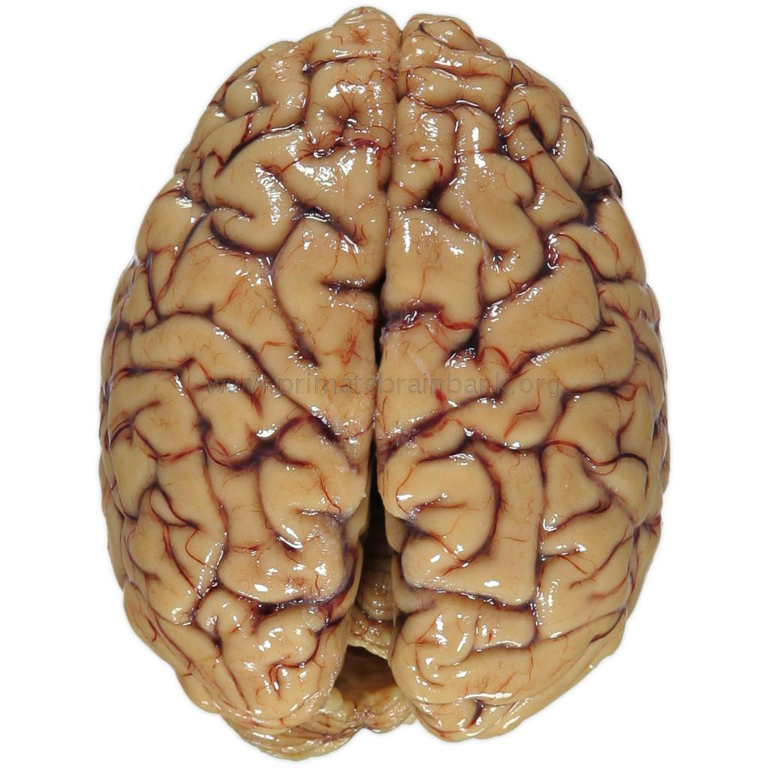 The Human Brainweighs about 3 Pounds, which is 2% of a person's weight, but consumes as much as 25 percent of our body’s Oxygen, burns 20% of our total Calories each day, with Glucosebeing the mainenergy source for the brain that runs on around 12 watts of power, which is a fifth of the power required by a standard 60 watt light bulb. The Brain has 400 miles ofCapillaries, 86 Billion MicroscopicNeurons in constant Synaptic communication, making 10 quadrillion calculations every second. Each neuron is like a tiny branching tree, whose limbs reach out and touch other neurons making between 5,000 and 10,000 connections with other neurons, that’s more than 500 trillion connectionsperforming a dazzling array of complex mental processes every second, geared to generating and regulating our sensations and perceptions, how we reason, how we think, our emotions, our mental images, our attention span, learning, and our memory which is essentially a Pattern ofconnections between neurons. Protein.
What is the synaptic firing rate of the human brain?
200 times per second, 17.2 trillion action potentials?
Resting Metabolic Rate of the Human Brain
1300 kilocalories, or kcal, the kind used in nutrition.
1,300 kcal over 24 hours = 54.16 kcal per hour = 15.04 gram calories per second.
15.04 gram calories/sec = 62.93 joules/sec = about 63 watts. 20 percent of 63 watts = 12.6 watts.
ATP - Adenosine Triphosphate is a nucleoside triphosphate which is a small molecule used in cells as a coenzyme. It is often referred to as the "molecular unit of currency" of intracellularenergy transfer. When consumed in metabolic processes, it converts to either the di- or monophosphates, respectively ADP and AMP. Other processes regenerate ATP such that the human body recycles its own body weight equivalent in ATP each day. It is also a precursor toDNA and RNA. From the perspective ofbiochemistry. ATP is classified as a nucleoside triphosphate, which indicates that it consists of three components: a nitrogenous base (adenine), the sugar ribose, and the triphosphate. 3 ways ATP is generated: Cellular Respiration. Aerobic, converts glucose to 36 ATP+co2+H2O. Creatine phosphate breakdown. Anaerobic, recharges ADP to ATP. Fermentation. anaerobic, converts glucoseto 2 ATP + lactic acid. Magnesium.
ATP Trapping. Trapping the ATP binding state leads to a detailed understanding of the F1-ATPase mechanism.
Polyphosphates are salts or esters of polymeric oxyanions formed from tetrahedral PO4 (phosphate) structural units linked together by sharing oxygen atoms. Polyphosphates can adopt linear or a cyclic ring structures. In biology, the polyphosphate esters ADP and ATP are involved in energy storage. A variety of polyphosphates find application in mineral sequestration in municipal waters, generally being present at 1 to 5 ppm. GTP, CTP, and UTP are also nucleotides important in the protein synthesis, lipid synthesis, and carbohydrate metabolism, respectively.
Nucleoside Triphosphate is a molecule containing a nitrogenous base bound to a 5-carbon sugar (either ribose or deoxyribose), with three phosphate groups bound to the sugar. They are the building blocks of both DNA and RNA, which are chains of nucleotides made through the processes of DNA replication and transcription. Nucleoside triphosphates also serve as a source of energy for cellular reactions and are involved in signalling pathways. Nucleoside triphosphates cannot be absorbed well, so they are typically synthesized within the cell. Synthesis pathways differ depending on the specific nucleoside triphosphate being made, but given the many important roles of nucleoside triphosphates, synthesis is tightly regulated in all cases. Nucleoside analogues may also be used to treat viral infections. For example, azidothymidine (AZT) is a nucleoside analogue used to prevent and treat HIV/AIDS.
A piece of brain matter the size of a grain of sandcontains approximately 100,000 neurons, 2 million axons, and 1 billion synapses.
"So your Brain requires a lot of food energy, so don't waste it. You have to make sure that you keep adding to your knowledge base so that you are not just feeding yourself to run in circles, to never progress or amount to anything is a waste of potential."
Brain Basics Provides Information on How the Brain Works, how mental illnesses are disorders of the brain, and ongoing research that helps us better understand and treat disorders.
Left Side - Right Side
 Left Brain - Serial Processing
Serial Memory Processing is the act of attending to and processing one item at a time. This is usually contrasted against parallel Memory processing, which is the act of attending to and processing all itemssimultaneously. Serial processing is processingthat occurs sequentially. There is an explicit order in which operations occur and in general the results of one action are known before a next action is considered. Serial processing systems may mimic the action of parallel systems, albeit with a concurrent (and usually serious) loss in efficiency. Compare to parallel processing.
Jill Bolte Taylor TED Talks (youtube)
N400 is part of the normal brain response to wordsand other meaningful (or potentially meaningful) stimuli, including visual and auditory words, sign language signs, pictures, faces, environmental sounds, and smells. A component of time-locked EEG signals known as event-related potentials (ERP). It is a negative-going deflection that peaks around 400 milliseconds post-stimulus onset, although it can extend from 250-500 ms, and is typically maximal over centro-parietal electrode sites.
Cerebral Hemisphere. The vertebrate cerebrum (brain) is formed by two cerebral hemispheres that are separated by a groove, the longitudinal fissure. The brain can thus be described as being divided into left and right cerebral hemispheres. Each of these hemispheres has an outer layer of grey matter, the cerebral cortex, that is supported by an inner layer of white matter. In eutherian (placental) mammals, the hemispheres are linked by the corpus callosum, a very large bundle of nerve fibers. Smaller commissures, including the anterior commissure, the posterior commissure and the fornix, also join the hemispheres and these are also present in other vertebrates. These commissures transfer information between the two hemispheres to coordinate localized functions. There are three poles of the hemispheres named as the occcipital pole (at the back), the frontal pole, and at the front of the temporal lobe the temporal pole. The central sulcus is a prominent fissure which separates the parietal lobe from the frontal lobe and the primary motor cortex from the primary somatosensory cortex. Macroscopically the hemispheres are roughly mirror images of each other, with only subtle differences, such as the Yakovlevian torque seen in the human brain, which is a slight warping of the right side, bringing it just forward of the left side. On a microscopic level, the cytoarchitecture of the cerebral cortex, shows the functions of cells, quantities of neurotransmitter levels and receptor subtypes to be markedly asymmetrical between the hemispheres. However, while some of these hemispheric distribution differences are consistent across human beings, or even across some species, many observable distribution differences vary from individual to individual within a given species.
Hemispheric Asymmetry Handedness and Cerebral Dominance (Britannica)
Info Graphic (image)
They say that it's easier to rehabilitate a person who has had a stroke on the left side of the brainthen it is to rehabilitate a person who has had a stroke on the right side, why?
The ability to spell is in two areas of the left hemisphere, one towards the front of the brain and the other at the lower part of the brain towards the back.
Midbrain is a portion of the central nervous systemassociated with vision, hearing, motor control, sleep/wake, arousal (alertness), and temperature regulation.
Anatomical Terms of Location. All vertebrates (including humans) have the same basic body plan – they are strictly bilaterally symmetrical in early embryonic stages and largely bilaterally symmetrical in adulthood. That is, they have mirror-image left and right halves if divided down the middle.
Right Brain - Parallel Processing
Parallel Processing in psychology is the ability of the brain to simultaneously process incoming stimuli of differing quality. This becomes most important in vision, as the brain divides what it sees into four components: color, motion, shape, and depth. These are individually analyzed and then compared to stored memories, which helps the brain identify what you are viewing. The brain then combines all of these into the field of view that you see and comprehend. Parallel processing has been linked, by some experimental psychologists, to theStroop effect. This is a continual and seamless operation.
Parallel Processing in DSP implementation is a technique duplicating function units to operate different tasks (signals) simultaneously. Accordingly, we can perform the same processing for different signals on the corresponding duplicated function units. Further, due to the features of parallel processing, the parallel DSP design often contains multiple outputs, resulting in higher throughput than not parallel.
Parallel Computing is a type of computation in which many calculations are carried out simultaneously, or the execution of processes are carried out simultaneously.
Lineal Thinking - Brain - Intelligence
In parallel processing systems, many events may be considered and acted upon simultaneously. Since a variety of actions may be consideredsimultaneously, coherence in behavior is an issue for parallel systems. A parallel system may be synchronous, in which there is an explicit parallel decision cycle or asynchronous. In asynchronous systems, there are usually a set of independent components which act autonomously to one another; this makes coherence an even more difficult problem. A parallel architecture does not necessarily imply parallel processing; for instance, the human cognitive architecture is inherently serial at the cognitive level even though the biological band is explicitly parallel. However, there may tremendous improvements to efficiency for some parallel processing strategies, compared to serial ones. umich.edu.
Spatial intelligence - Music - Creativity
Lateralization of Brain Function refers to how some neural functions, or cognitive processes tend to be more dominant in one hemisphere than the other. (Dual Brain Theory) The medial longitudinal fissure separates the human brain into two distinct cerebral hemispheres, connected by the corpus callosum. Although the macrostructure of the two hemispheres appears to be almost identical, different composition of neuronal networks allows for specialized function that is different in each hemisphere.
Asymmetry is the absence of, or a violation of, symmetry (the property of an object being invariant to a transformation, such as reflection). Symmetry is an important property of both physical and abstract systems and it may be displayed in precise terms or in more aesthetic terms. The absence of violation of symmetry that are either expected or desired can have important consequences for a system.
Ambidextrous (body smart)
Central Sulcus separating the parietal lobe from the frontal lobe.
L-directed thinking and R-directed thinking. The L-directed (left brain–directed) thinking skills are sequential, literal, functional, textual, and analytic—typically functions believed to be performed by the left hemisphere of the human brain.
The R-directed (right brain–directed) thinking skills are characterized as simultaneous, metaphorical, aesthetic, contextual, and synthetic—typically functions assigned to the right hemisphere of the brain.
Modularity of Mind is the notion that a mind may, at least in part, be composed of innate neural structures or modules which have distinct established evolutionarily developed functions with different regions supporting specific abilities. Domain specificity: modules only operate on certain kinds of inputs—they are specialized.Informational encapsulation: modules need not refer to other psychological systems in order to operate. Obligatory firing: modules process in a mandatory manner. Fast speed: probably due to the fact that they are encapsulated (thereby needing only to consult a restricted database) and mandatory (time need not be wasted in determining whether or not to process incoming input). Shallow outputs: the output of modules is very simple. Limited accessibility. Characteristic ontogeny: there is a regularity of development. Fixed neural architecture. Brain modules provide the basic building blocks from which larger, "intrinsic connectivity networks" are constructed. Each network includes multiple brain structures that are activated together when a person engages a particular cognitive skill. Rather than forming permanent connections, we are constantly updating our prior knowledge, but only if we continue to keep learning and updating what we know, which most people don't, and most assume that they are.
Cognitive Module the modularity of mind and the closely related society of mind theory, a specialized tool or sub-unit that can be used by other parts to resolve cognitive tasks.
List of Regions in the Human Brain (wiki)
Linear Learners - Holistic Learners
Brain Maintenance 101
All Schools need to Teach Students about proper Brain Maintenance
 I think that the Grey Matter in the adolescent brain declines mostly because of our inadequate education systemrather then it just being the normal process of Neuron Pruning. Synaptic pruning is a little to close to a Lobotomyor Frontotemporal Dementia. And you can't say that it's a normal process when the process itself hasn't been clearly defined. This is not to say that we forget things that are no longer perceived to be important to us, it's just that deciding what's important to remember is not clearly defined. ThePrefrontal Cortex also tends to lose volume with age, but age can't be the only factor? This type ofAtrophy should not be happening, it's not a Frontal Lobe Disorder, it's more of an Education Disorder. Education should be about preserving brain matter,not decreasing it. Does Neurogenesis slow down when learning slows down? We're fully aware of thePlasticity of the brain and it's ability to repair and rewire itself. So it seems like we just got here yesterday.
Neurodegeneration is the progressive loss of structure or function of neurons, including death of neurons. Neural Stem Cells.
Hippocampal Sclerosis is a neuropathologicalcondition with severe neuronal cell loss and gliosisin the hippocampus. Alzheimers.
Synaptic Pruning is the process of synapseelimination that occurs between early childhood and the onset of puberty in many mammals, including humans. Pruning starts near the time of birth and is completed by the time of sexual maturation in humans. At birth, the human brain consists of approximately 86 (± 8) billion neurons. The infant brain will increase in size by a factor of up to 5 by adulthood. Two factors contribute to this growth: the growth of synaptic connections between neurons, and the myelination of nerve fibers; the total number of neurons, however, remains the same. Pruning is influenced by environmental factors and is widely thought to represent learning. After adolescence, the volume of the synaptic connections decreases again due to synaptic pruning. Pruning is a function of the brain that helps to minimize the number of connections to a specific memory in order to make that memory more efficient with less noise. Pruning Plants also has benefits.
Cerebral Atrophy describes a loss of neurons and the connections between them. (space brain).
Atrophy is the partial or complete wasting away of a part of the body.
Decay Theory proposes that memory fades due to the mere passage of time or from the lack of recalling that memory. Information is therefore less available for later retrieval as time passes and memory, as well as memory strength, wears away.
New Molecules Reverse Memory Loss Linked to Depression, Aging. The molecules are chemical tweaks of benzodiazepines, a class of anti-anxiety and sedative medications that also activate the GABA system, but are not highly targeted.
It's not so much the Aging Brain, it's more about the long term abuse that accumulates from eating bad food, from lack of sleep, from lack of exercise, and from the exposure to chemicals and toxins in our environment.
You make more mistakes when your tired or suffer from the lack of sleep. The brain needs to be restedand healthy in order to maximize its function and capabilities. And it's not just the lack of sleep that will lower your awareness and lower your IQ, it is also the lack of healthy food and nutrition that can have negatives effects on your brain power. And there is also one more thing that will impeded your thinking, and that is knowledge and information. And without knowledge and information, a rested and healthy brain is just about useless.
Long-Term Depression is an activity-dependent reduction in the efficacy of neuronal synapseslasting hours or longer following a long patterned stimulus.
Programmed Cell Death is the death of a Cell in any form, mediated by an intracellular program.
Concussions (injuries) - Blood Brain Barrier
Frontal Lobe Disorder is an impairment of the frontal lobe that occurs due to disease or head trauma.
Researchers map genetic ‘switches’ behind human brain evolution. UCLA researchers have developed the first map of gene regulation in human neurogenesis, the process by which neural stem cells turn into brain cells and the cerebral cortex
expands in size. Chromosomal folding patterns affect how genetic information is encoded.
For older adults, a better diet may prevent brain shrinkage. People who eat a diet rich in vegetables, fruit, nuts and fish may have bigger brains
Brains Natural Defenses
Neurogenesis is the process by which neurons are generated from Neural Stem Cells and progenitor cells. Through precise genetic mechanisms of cell fate determination, many different varieties of excitatory and inhibitory neurons are generated from different kinds of neural stem cells. Neurogenesis occurs during embryogenesis in all animals and is responsible for producing all the neurons of the organism. Prior to the period of neurogenesis, neural stem cells first multiply until the correct number of progenitor cells is achieved.Angiogenesis is the physiological process through which new blood vessels form from pre-existing vessels. DNA Defenses.
A simple combination of molecules converts cells neighboring damaged neurons into functional new neurons, which could potentially be used to treat stroke, Alzheimer's disease, and brain injuries.
Ependyma is the thin neuroepithelial lining of the ventricular system of the brain and the central canal of the spinal cord, made up of ependymal cells. Ependyma is one of the four types of neuroglia in the central nervous system (CNS). It is involved in the production of cerebrospinal fluid (CSF), and is shown to serve as a reservoir forneuroregeneration.
How do adult brain circuits regulate new neuron production? Researchers identified a brain circuit that controls neuron development in the adult brain. It runs from near the front of the brain back to theHippocampus, a learning- and memory-related structure. Neurogenesis in the Dentate Gyrusoccurs throughout adult life and supports the hippocampus's crucial functions in storing and retrieving memories. Genesis of new neurons does not stop at birth or even in childhood. In a few select areas of the brain, it can continue throughout adulthood, and is believed to be vitally important for certain forms of learning and memory, and in mood regulation.
Older adults grow just as many new brain cells as young people. The generation of new neurons in the DG neurogenic niche starts from quiescent radial-glia-like type I neural progenitor cells (QNPs) expressing glial fibrillary acid protein (GFAP), sex determining region Y-box 2 (Sox2), brain lipid-binding protein (BLBP), and nestin (Encinas et al., 2011).
Astrocytes as neural stem cells in the adult brain. In the adult mammalian brain, bona fide neural stem cells were discovered in the subventricular zone (SVZ), the largest neurogenic niche lining the striatal wall of the lateral ventricles of the brain. In this region resides a subpopulation of astrocytesthat express the glial fibrillary acidic protein (GFAP), nestin and carbohydrate Lewis X (LeX). Astonishingly, these GFAP-expressing progenitors display stem-cell-like features both in vivo and in vitro. Throughout life SVZ astrocytes give rise to interneurons and oligodendrocyte precursors, which populate the olfactory bulb and the white matter, respectively. The role of the progenies of SVZ astrocytes has not been fully elucidated, but some evidence indicates that the new neurons play a role in olfactory discrimination, whereas oligodendrocytes contribute to myelinate white matter tracts. In this chapter, we describe the astrocytic nature of adult neural stem cells, their organization into the SVZ and some of their molecular and genetic characteristics.
Neurotrophin are a family of proteins that induce the survival, development, and function of neurons. They belong to a class of growth factors, secreted proteins that are capable of signaling particular cells to survive, differentiate, or grow. Growth factors such as neurotrophins that promote the survival of neurons are known as neurotrophic factors. Neurotrophic factors are secreted by target tissue and act by preventing the associated neuron from initiating programmed cell death - thus allowing the neurons to survive. Neurotrophins also induce differentiation of progenitor cells, to form neurons.
Cognitive Reserve describes the mind's resistance to damage of the brain. The mind's resilience is evaluated behaviorally, whereas the neuropathological damage is evaluated histologically, although damage may be estimated using blood-based markers and imaging methods.
Cognitive Off-Loading - Brain Chip
Cognitive Science - Cognition Tests
Placebos
Brain Health (University of Texas at Dallas)
Long-Term Potentiation is a persistent strengthening of synapses based on recent patterns of activity. These are patterns of synaptic activity that produce a long-lasting increase in signal transmission between two neurons. The opposite of LTP is long-term depression, which produces a long-lasting decrease in synaptic strength.
Neuromodulation is the physiological process by which a given neuron uses one or more chemicals to regulate diverse populations of neurons. This is in contrast to classical synaptic transmission, in which one presynaptic neuron directly influences a single postsynaptic partner. Neuromodulators secreted by a small group of neurons diffuse through large areas of the nervous system, affecting multiple neurons. Major neuromodulators in the central nervous system include dopamine, serotonin, acetylcholine, histamine, and norepinephrine.
Perineuronal Net are specialized extracellularmatrix structures responsible for synaptic stabilization in the adult brain.
Extracellular Matrix is a collection of extracellular molecules secreted by cells that provides structural and biochemical support to the surrounding cells.
Hemispherectomy is a very rare surgical procedure in which one cerebral hemisphere (half of the brain) is removed, disconnected, or disabled.
Cognitive Module - Modularity of Mind
Mild Cognitive Impairment is a brain function syndrome involving the onset and evolution of cognitive impairments beyond those expected based on the age and education of the individual, but which are not significant enough to interfere with their daily activities.
Neuro-Inflammation is inflammation of the nervous tissue.
Inflammatory Response System
Inflammation
Neuroimmunology is to further develop our understanding of the pathology of certain neurological diseases.
Cytokine category of small proteins (~5–20 kDa) that are important in cell signaling. Their release has an effect on the behaviour of cells around them.
IL-2 Receptor is a heterotrimeric protein expressed on the surface of certain immune cells, such as lymphocytes, that binds and responds to a cytokine called IL-2.
Acetylcholine is an organic chemical that functions in the brain and body of many types of animals, including humans, as a neurotransmitter—a chemical released by nerve cells to send signals to other cells.
Anticholinergic agent is a substance that blocks the neurotransmitter acetylcholine in the central and the peripheral nervous system.
Meditation - Brain Food - Consuming Knowledge
Neuron Pruning is similar to a computer when a person deletes old computer files. Brain cells areprogramed to die if not used, which makes room for more cell growth. Brilliant!
Changing Old Habits (programming)
Pruning Decision Trees is a technique in machine learning that reduces the size of decision trees by removing sections of the tree that provide little power to classify instances. Pruning reduces the complexity of the final classifier, and hence improves predictive accuracy by the reduction of overfitting.
Modular Segregation of Structural Brain Networks Supports the Development of Executive Function in Youth. A study of nearly 900 young people ages 8 to 22 found that the ability to control impulses, stay on task and make good decisions increased steadily over that span as the brain remodeled its information pathways to become more efficient. The finding helps explain why these abilities, known collectively as executive function, take so long to develop fully. This is mostly because people don't get a high quality education in order for this natural process to be effective. The human brain is organized into large-scale functional modules that have been shown to evolve in childhood and adolescence. However, it remains unknown whether the underlying white matter architecture is similarly refined during development, potentially allowing for improvements in executive function. Structural network modules become more segregated by learning valuable knowledge, with weaker connections between modules and stronger connections within modules. Evolving modular topology facilitates global network efficiency and is driven by Learning that helps strengthen the hub edges present both within and between modules. Critically, both modular segregation and network efficiency are associated with enhanced executive performance and mediate the improvement of executive functioning with age. Together, results delineate a process of structural network maturation that supports executive function in youth.
Phagocytosis is involved in the acquisition of nutrients for some cells. The process is homologous to eating at the level of single-celled organisms; in multicellular animals, the process has been adapted to eliminate debris and pathogens, as opposed to taking in fuel for cellular processes, except in the case of the animal Trichoplax.
Microglia are a type of glial cell located throughout the brain and spinal cord. Account for 10–15% of all cells found within the brain. As the resident macrophage cells, they act as the first and main form of active immune defense in the central nervous system (CNS).
Neuronal Hyperactivity Disturbs ATP Microgradients, Impairs Microglial Motility, and Reduces Phagocytic Receptor Expression Triggering Apoptosis/Microglial Phagocytosis Uncoupling.
We are born with 100 billion neurons in our brain and spinal cord. During the early years following birth, humans manufacture an estimated 250,000 neurons per minute, and then spend the next few years wiring them together. We also lose thousands of neurons everyday, but we have the ability to make the remaining neurons form connections with beneficial counterparts. It seems that some neurons never die, giving us the ability to hold on to memories that are important to us. Even as we grow old into adulthood, the human brain makes hundreds of new neurons everyday all through life, mostly in the hippocampus, a key region for memory.
Old Memories are not deleted even when they are not recalled for years. Amnesia does not mean memories are deleted, just the files have been misplaced.
Canadian man missing for 30 years remembers real identity
Billions of neuronal connections are made in the human brain in early childhood; some can only be made during this period, and others require much more training to achieve the same result later in life, although the brain’s plasticity ensures that it never stops learning.
Brain Connector density is at its highest level in the first three years of life
The Brain Drain starts with an ineffective educationthat ends with people not knowing what to do, or where to go.
Brain Maintenance Responsibilities
Maintaining our physical and mental wellbeing is one of our most important responsibilities. But like all things, we have to learn how this responsibility is performed. If you're not using it, you're losing it. The Brain is a machine that needs maintenance. Maintaining skills and abilities at a proficient level needs exercise. Just like all muscles, muscles become weak when you stop using them. And neuron connections in the brain become weaker when you stop using them. So what would be the perfect brain exercises that you can do to maximize your cognitive ability and stay sharp? What are the most effective and efficient ways to maintain optimum physical and mental wellbeing? Brain Food What are the physical exercises people must do in order to maintain physical and mental strength?
Caudate Nucleus plays important roles in various other nonmotor functions as well, including procedural learning, associative learning, and executive functions (e.g., inhibitory control), among other functions. The caudate is also one of the brain structures which compose the reward system and functions as part of the cortico–basal ganglia–thalamic loop.
Reading is extremely important, but just don't read anything. People who tell others to read anything are ignorant, and they are misleading you. Don't just read anything. Consume the most valuable knowledge and information that you can find. Learn the right things at the right time. In order to become more knowledgeable about yourself and the world around you, you need to carefully choose what to read, and know how to apply new knowledge and information to the knowledge and information you have gained in previous years of your life. And you also must understand that most of what you read and hear is not relevant.Comprehension is extremely valuable skill, but that skill is wasted if you never read valuable knowledge and information.
Humans only use 10% of their Brains is just a metaphor that resembles our failing education system. People don't have enough knowledge and information that would give them the ability to use the full power of the human brain. MRI's show that only certain areas of the brain show activity during certain actions. The adult brain makes new neurons, but only in very restricted areas. For example, the hippocampus of an adult rat makes between 5,000-10,000 new neurons each day. Joe Herbert’s lab in Cambridge has showed thatcortisol dramatically decreases the rate new brain cells are made. So perhaps some of the adverse effects of stress are related to fewer brain cells being created in the hippocampus. Did you know that people with O Blood Type have more gray matter in their brain?
Computational Neuroscience
Artificial Neural Network - Default Mode Network
Brain Plasticity - Brain Food
Maybe this type of brain damage is from endocrine disruptors or maybe even Fluoride? Hey you never know, better safe then sorry. Either way it's still an education problem.

Endocrine Disruptor are chemicals that, at certain doses, can interfere with endocrine (or hormone) systems. These disruptions can cause cancerous tumors, birth defects, and other developmental disorders. Any system in the body controlled by hormones can be derailed by hormone disruptors. Specifically, endocrine disruptors may be associated with the development of learning disabilities, severeattention deficit disorder, cognitive and brain development problems; deformations of the body (including limbs); breast cancer, prostate cancer, thyroid and other cancers; sexual development problems such as feminizing of males or masculinizing effects on females, etc.
Pesticides - Body Burden
Processed Food Dangers
Drug Use Dangers
Smart Drugs Dangers
Cognition Measuring
Synaptic Noise refers to the constant bombardment of synaptic activity in neurons. This occurs in the background of a cell when potentials are produced without the nerve stimulation of anaction potential, and are due to the inherently random nature of synapses. These random potentials have similar time courses as excitatory postsynaptic potentials (EPSPs) and inhibitory postsynaptic potentials (IPSPs), yet they lead to variable neuronal responses. The variability is due to differences in the discharge times of action potentials.
Monoamine Oxidase Inhibitor are chemicals that inhibit the activity of the monoamine oxidase enzyme family.
Inhibitory Postsynaptic Potential is a kind of synaptic potential that makes a postsynaptic neuron less likely to generate an action potential.
Lateral Lemniscus is a tract of axons in the brainstem that carries information about sound from the cochlear nucleus to various brainstem nuclei and ultimately the contralateral inferior colliculus of the midbrain.
Metabotropic Glutamate Receptor 5 is a G protein-coupled receptor that in humans is encoded by the GRM5 gene.
Donepezil is a medication used in the palliative treatment of Alzheimer's disease.
Agmatine is a chemical substance which is naturally created from the chemical arginine. Agmatine has been shown to exert modulatory action at multiple molecular targets, notably: neurotransmitter systems, ion channels, nitric oxide (NO) synthesis and polyamine metabolism and this provides bases for further research into potential applications.
Exercise Training Increases Size of Hippocampus and Improves Memory.
45 minutes of exercise three days a week can actually increase the volume of the brain. Even for people who have been very sedentary, exercise improves cognition and helps people perform better on things like planning, scheduling, multitasking and working memory. Increased hippocampal volume is associated with greater serum levels of BDNF, a mediator of neurogenesis in the Dentate Gyrus.
Brain Function Examination
Basic Brain Maintenance for Adults (PDF)
Memory Exercises - Brain Games
Brain-derived Neurotrophic Factor
Growth Differentiation Factor (GDF11)
Regenerative Biology is the process of renewal, restoration, and growth that makes genomes, cells, organisms, and ecosystems resilient to natural fluctuations or events that cause disturbance or damage.
Socially-induced brain ‘fertilization’: play promotes brain derived neurotrophic factor transcription in the amygdala and dorsolateral frontal cortex in juvenile rats
Prosocial foundations of children's academic achievement
Learning Toys and Games
Enhancing Cognition
Klotho is an enzyme that in humans is encoded by the KL gene. This gene encodes a type-I membrane protein that is related to β-glucuronidases. Reduced production of this protein has been observed in patients with chronic renal failure (CRF), and this may be one of the factors underlying the degenerative processes.
Cell Reports
Synaptic GluN2B is a protein that in humans is encoded by the GRIN2B gene.
NMDA Receptor is a glutamate receptor and ion channel protein found in nerve cells. It is activated when glutamate and glycine (or D-serine) bind to it, and when activated it allows positively charged ions to flow through the cell membrane. The NMDA receptor is very important for controlling synaptic plasticity and memory function.
Zygosity is the degree of similarity of the alleles for a trait in an organism. Most eukaryotes have two matching sets of chromosomes; that is, they are diploid. Diploid organisms have the same loci on each of their two sets of homologous chromosomes, except that the sequences at these loci may differ between the two chromosomes in a matching pair and that a few chromosomes may be mismatched as part of a chromosomal sex-determination system. If both alleles of a diploid organism are the same, the organism is homozygous at that locus. If they are different, the organism is heterozygous at that locus. If one allele is missing, it is hemizygous, and, if both alleles are missing, it is nullizygous.
Brain Secret For Instant Genius (youtube)
Think of your brain as being like a car. A well maintained car is reliable and hardly ever breaks down. If you put in good gas, it runs better and goes faster. If you constantly make improvements to your car by learning about all the newtechnological advancements that are available, then your brain, or car, will be a high performance machine with more capabilities.
Brain Memory Capacity - Spatial Intelligence
"If your brain becomes Hard Wired and Cemented in Place, that means you have stopped learning, which is very dangerous in todays world, physically and mentally. " (Keep Learning my Friends)
Plasticity - The Jennifer Aniston Neuron (youtube) - Funny Joke
"When I here about research that has not included people with disabilities, the research raises more questions then it answers. There is a lot we can learn from blind people, deaf people and anyone with a disability."
I see a day when we will be able to communicate with the cells in our own bodies without having to use drugs. We already know how to manipulatestem cells manually, but one day soon we will be able to tell the stem cells in our bodies to repair things that are causing us problems. We can already manipulate atoms into a language, so it's just a matter of time that we will discover the language of our cells, and be able to communicate with them and give them special instructions when needed.
The Human Brain makes up only 2% mass in the body but uses 20% of the bodies oxygen and calories.
(Feed Me Seymore, but this time Feed me information and knowledge, please!)
The brain processes 400 Billion bits of information a second. BUT, we are ONLY aware of 2,000 of those?" -Dr. Joseph Dispenza, D.C. The average "clock speed" of neurons in the brain is a mere 200 firings per second. 10 Mbits of information are transmitted along each optic nerve PER SECOND. But is transmission speed the same thing as processing speed? Brain processes data no faster than 60 bits per second? The brain processes around 0.1 quadrillion information bytes per second? The human body sends 11 million bits per second to the brain for processing, yet the conscious mind seems to be able to process only 50 bits per second? It appears that a tremendous amount of compression is taking place if 11 million bits are being reduced to less than 50. Note that the discrepancy between the amount of information being transmitted and the amount of information being processed is so large that any inaccuracy in the measurements is insignificant.
What Each Human Senses Processes?
eyes - 10,000,000 bits per second
skin - 1,000,000 bits per second
ears - 100,000 bits per second
smell - 100,000 bits per second
taste - 1,000 bits per second
Smart Brain Tech - Brain Master
Mind Modulations - Mind Update
Mind and Life - Child Mind
Mensa. Identify and foster human intelligence for the benefit of humanity, to encourage research in the nature, characteristics and uses of intelligence, and to promote stimulating intellectual and social opportunities for its members.
Gifted - Defining Intelligence
Brain Games - Educational Toys
N-back task is a continuous performance task that is commonly used as an assessment in cognitive neuroscience to measure a part of working memory and working memory capacity. Memory.
Mind Stretchers - Changing Minds
Cogni Fit - The Mental Fitness Center
Posit Science - Cog Med
Your Amazing Brain
Brain Connection
Physical Exercises can be designed to improve certain parts of the body. Brain exercises should also be designed in the same way. So the brain exercise will also be a test as well as a quick way to run a systems check. So what Brain Functions do you think you need to exercise and check?
Mind Institute - Mind Research
The Mind Institute - Sharp Brains
Center for Brain Health
Institute for Learning & Brain Sciences
Incredible Years
Parents, Teachers & Children Training
Sleep - Memory
Meditation - Hypnosis
Counseling - Therapy
Awareness
Proteins
Protein are large biomolecules, or macromolecules, consisting of one or more long chains of amino acid residues. Proteins perform a vast array of functions within organisms, including catalysingmetabolic reactions, DNA replication, responding to stimuli, and transporting molecules from one location to another. Proteins differ from one another primarily in their sequence of amino acids, which is dictated by the nucleotide sequence of their genes, and which usually results in protein folding into a specific three-dimensional structure that determines its activity. Proteins, the components of our body that execute, control and organize basically all functions in our cells, are made out of strings of amino acids, which -- like an origami -- are folded into specific and complex three-dimensional structures according to their desired functions. However, since folding and maintaining of such structures is highly sensitive tocellular or environmental stress, proteins can potentially misfold or form clumps (aggregates). Such undesired protein waste can be toxic for cellsand may even lead to cell death. Because several human neurodegenerative diseases are known to be linked to an accumulation of abnormal protein aggregates, basic science aimed to understand how cells remove cellular garbage is elementary for designing strategies for a potential prevention or cure of such disorders. Proteins are the workhorse molecules of life. Among their many jobs, they carry oxygen, build tissue, copy DNA for the next generation, and coordinate events within and between cells.
Protein as a nutrient are essential nutrients for the human body. They are one of the building blocks of body tissue, and can also serve as a fuel source. As a fuel, proteins provide as much energy density as carbohydrates: 4 kcal (17 kJ) per gram; in contrast, lipids provide 9 kcal (37 kJ) per gram. The most important aspect and defining characteristic of protein from a nutritional standpoint is its amino acid composition. Proteins are polymer chains made of amino acids linked together by peptide bonds. During human digestion, proteins are broken down in the stomach to smaller polypeptide chains via hydrochloric acid and protease actions. This is crucial for the synthesis of the essential amino acids that cannot be biosynthesized by the body. There are nine essential amino acids which humans must obtain from their diet in order to prevent protein-energy malnutrition and resulting death. They are phenylalanine, valine, threonine, tryptophan, methionine, leucine, isoleucine, lysine, and histidine. There are five dispensable amino acids which humans are able to synthesize in the body. These five are alanine, aspartic acid, asparagine, glutamic acid and serine. There are six conditionally essential amino acids whose synthesis can be limited under special pathophysiological conditions, such as prematurity in the infant or individuals in severe catabolic distress. These six are arginine, cysteine, glycine, glutamine, proline and tyrosine. Humans need the essential amino acids in certain ratios. Some protein sources contain amino acids in a more or less 'complete' sense. This has given rise to various ranking systems for protein sources, as described in the article. Dietary sources of protein include both animals and plants: meats, dairy products, fish and eggs as well as grains, legumes and nuts.Vegetarians and vegans can get enough essential amino acids by eating a variety of plant proteins. It is commonly believed that athletes should consume a higher-than-normal protein intake to maintain optimal physical performance. Warning:Too much protein can be bad for your health, especially protein from certain foods.
Protein is an essential nutrient which helps form the structural component of body tissues and is used within many biological processes, for example protein is used to make enzymes, antibodies to help us fight infection as well as DNA the building blocks to life. It’s also needed to make up muscle tissue which in turn helps to keep our bodies active, strong, and healthy. Most protein is stored in the body as muscle, generally accounting for around 40-45% of our body’s total pool, so it makes sense that if you increase activity, perhaps to improve health and fitness or body composition, you also need to consider protein as an important food group in your diet.
Our Bodies make roughly 20,000 different kinds of Proteins. Some take the shape of molecular sheets. Others are sculpted into fibers, boxes, tunnels, even scissors. A protein’s particular shape enables it to do a particular job. Every protein in nature is encoded by a gene. With that stretch of DNA as its guide, a cell assembles a corresponding protein from building blocks known as amino acids. Selecting from twenty or so different types, the cell builds a chain of amino acids. That chain may stretch dozens, hundreds or even thousands of units long. Once the cell finishes, the chain folds on itself, typically in just a few hundredths of a second. Proteins fold because each amino acid has an electric charge. Parts of the protein chain are attracted to one another while other parts are repelled. Some bonds between the amino acids will yield easily under these forces; rigid bonds will resist.
Protein Synthesis (how proteins are made)
Peptide a compound consisting of two or more amino acids linked in a chain, the carboxyl group of each acid being joined to the amino group of the next by a bond of the type -OC-NH-. Water.
Protein Data Bank is a database for the three-dimensional structural data of large biological molecules, such as proteins and nucleic acids. The data, typically obtained by X-ray crystallography, NMR spectroscopy, or, increasingly, cryo-electron microscopy, and submitted by biologists and biochemists from around the world, are freely accessible on the Internet via the websites of its member organisations (PDBe, PDBj, and RCSB). The PDB is overseen by an organization called the Worldwide Protein Data Bank, wwPDB. The PDB is a key in areas of structural biology, such as structural genomics. Most major scientific journals, and some funding agencies, now require scientists to submit their structure data to the PDB. Many other databases use protein structures deposited in the PDB. For example, SCOP and CATH classify protein structures, while PDBsum provides a graphic overview of PDB entries using information from other sources, such as Gene ontology. Protein Atlas.
Serum is an amber, watery fluid, rich in proteins, that separates out when blood coagulates.
Whey is the serum or watery part of milk that is separated from the curd in making cheese.
Protein isoform is an ambiguous term describing either several different forms of protein coded from the same gene, or proteins with amino acid sequence and functional similarities, even when they are products of different genes.
Proteomics is the large-scale study of proteins. Proteins are vital parts of living organisms, with many functions.
Protein Domain is a conserved part of a given protein sequence and (tertiary) structure that can evolve, function, and exist independently of the rest of the protein chain. Each domain forms a compactthree-dimensional structure and often can be independently stable and Folded. Many proteins consist of several structural domains. One domain may appear in a variety of different proteins. Molecular evolution uses domains as building blocks and these may be recombined in different arrangements to create proteins with different functions. Domains vary in length from between about 25 Amino Acids up to 500 amino acids in length. Domains often form functional units, such as the calcium-binding EF hand domain of calmodulin. Because they are independently stable, domains can be "swapped" by genetic engineering between one protein and another to make chimeric proteins.
Proteins use a Lock and Key system to Bind to DNA. Scientists have traditionally thought that DNA Binding Proteins use patterns in the genome's code of As, Cs, Ts, and Gs to guide them to the right location, with a given protein only binding to a specific sequence of letters. In a new study, scientists discovered that proteins must rely on another clue to know where to bind: the DNA's three-dimensional shape. You can think of DNA as a string of letters -- As, Cs, Ts, and Gs -- that together spell out the information needed for the construction and function of cells. Each cell in your body shares the same DNA. So, for cells to take on their differing roles, they must be able to turn on and off specific genes with precise control. The genes active in a brain cell, for instance, are different than those active in a skin cell.


Comments
Post a Comment